English
 Español
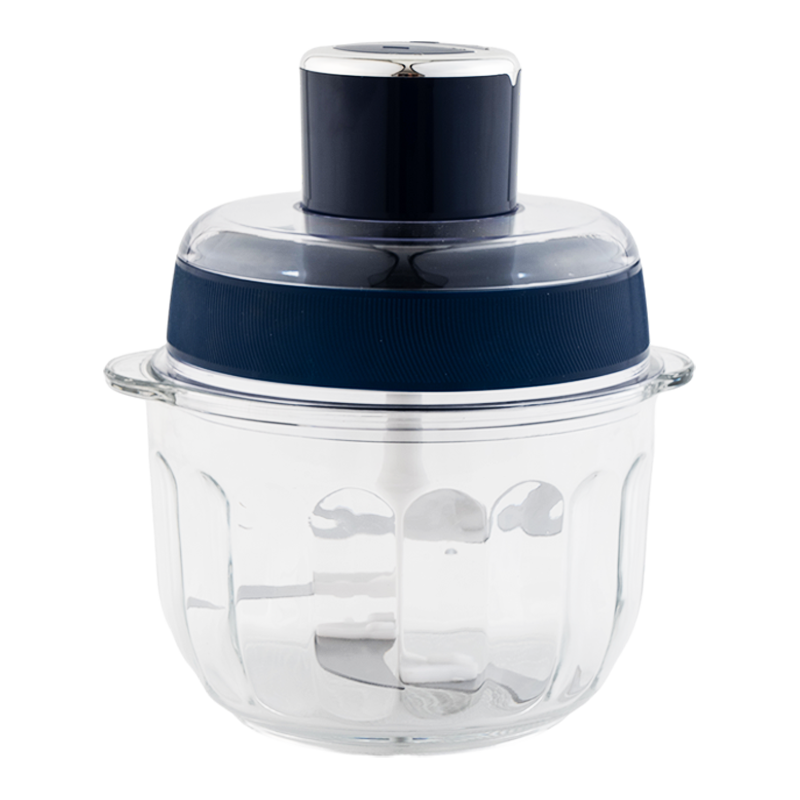
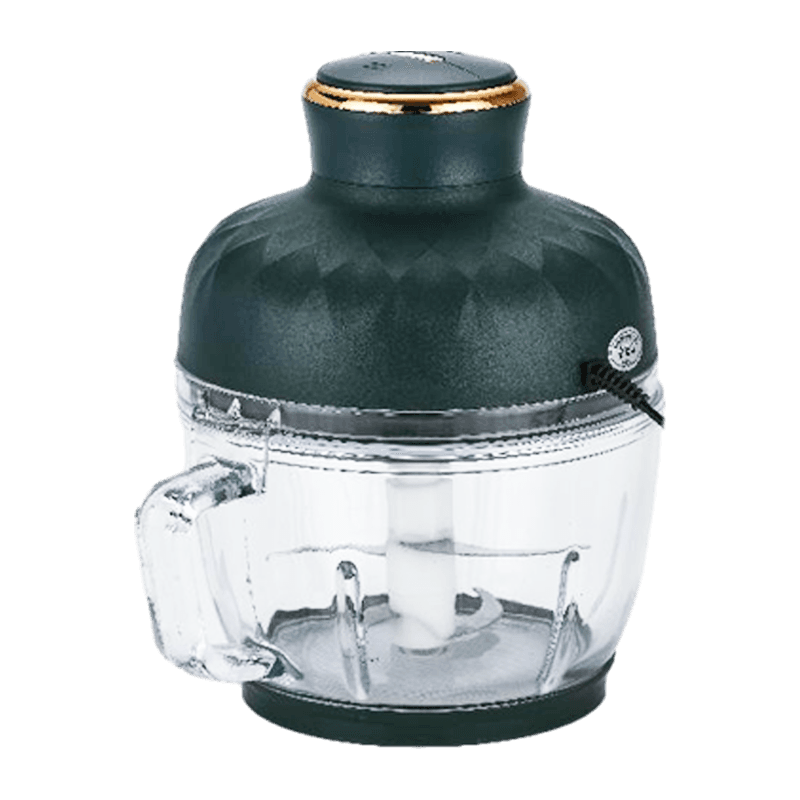
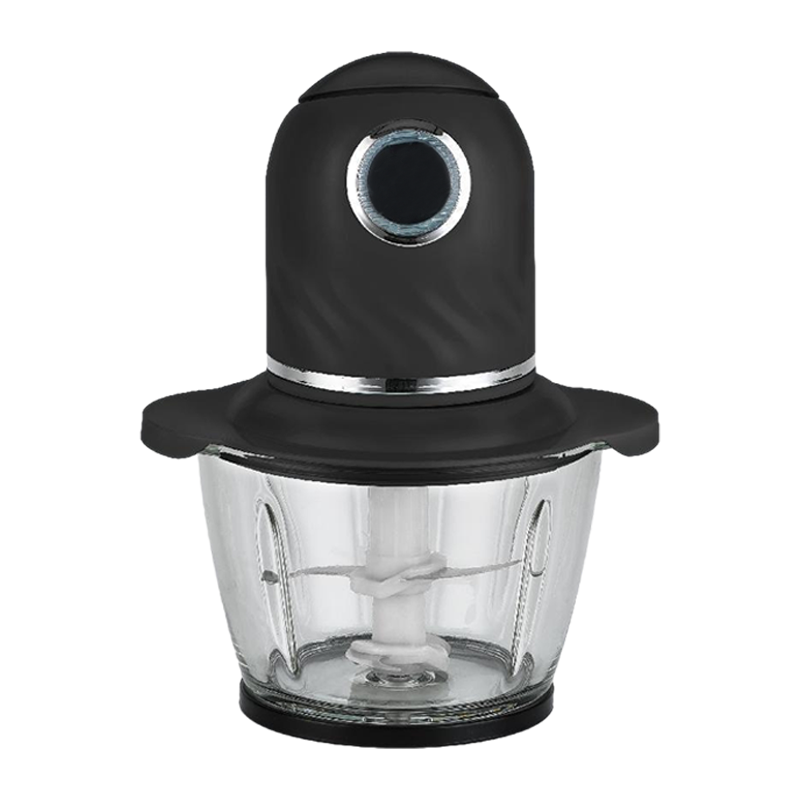
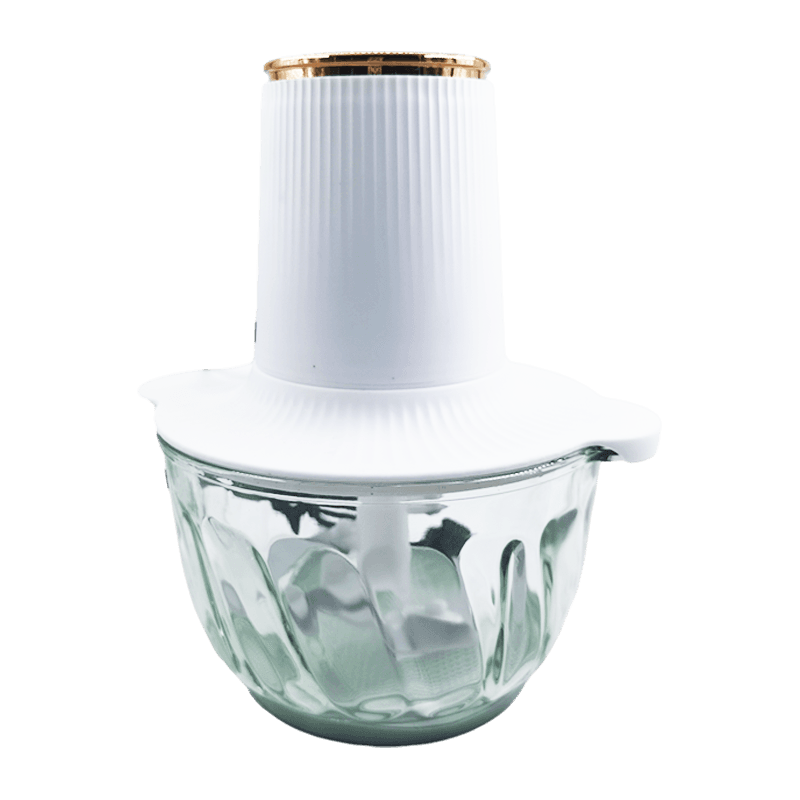
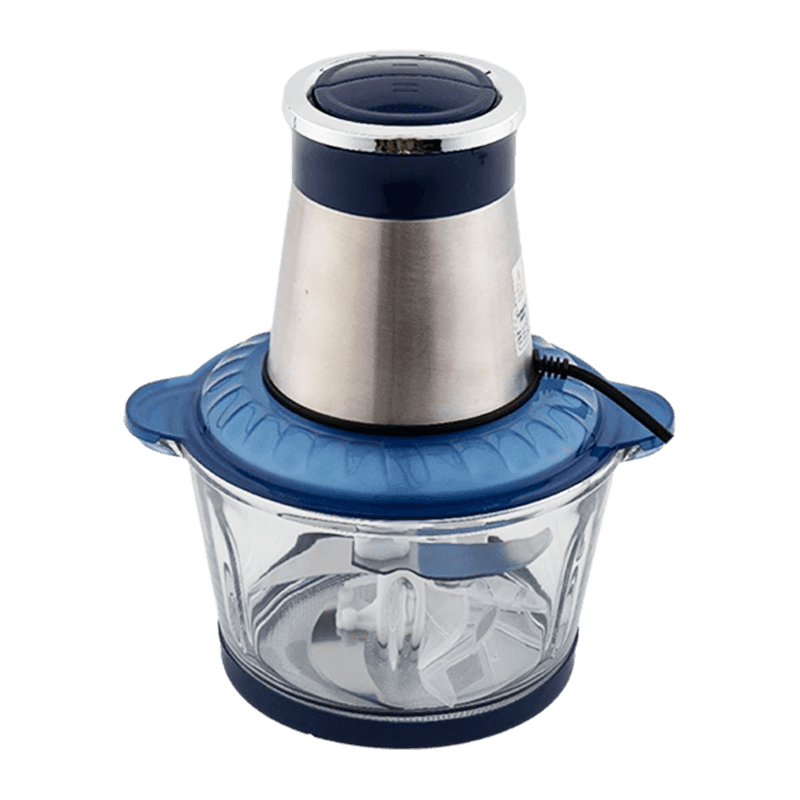
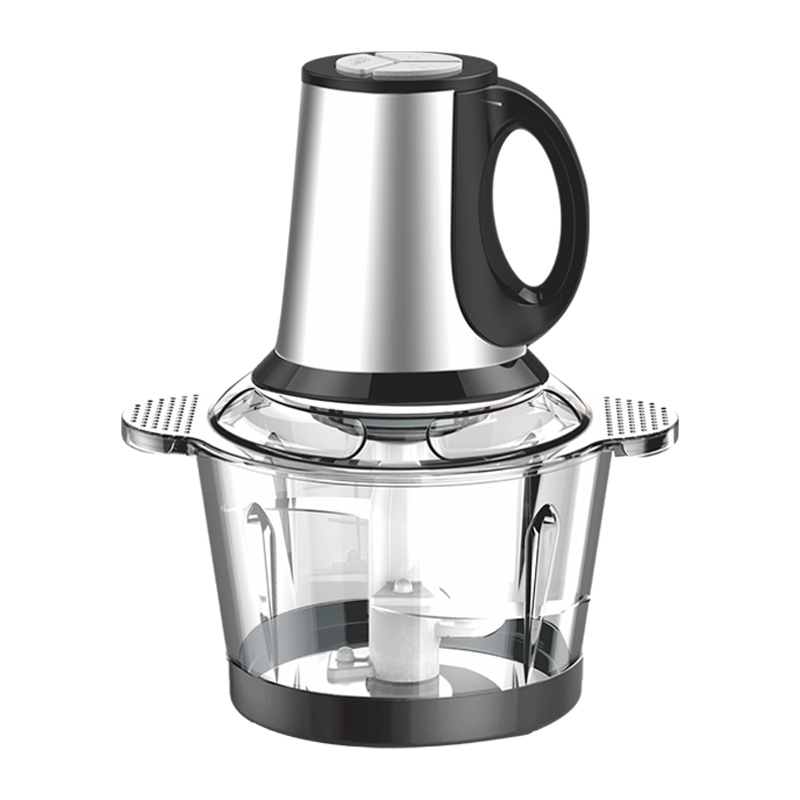
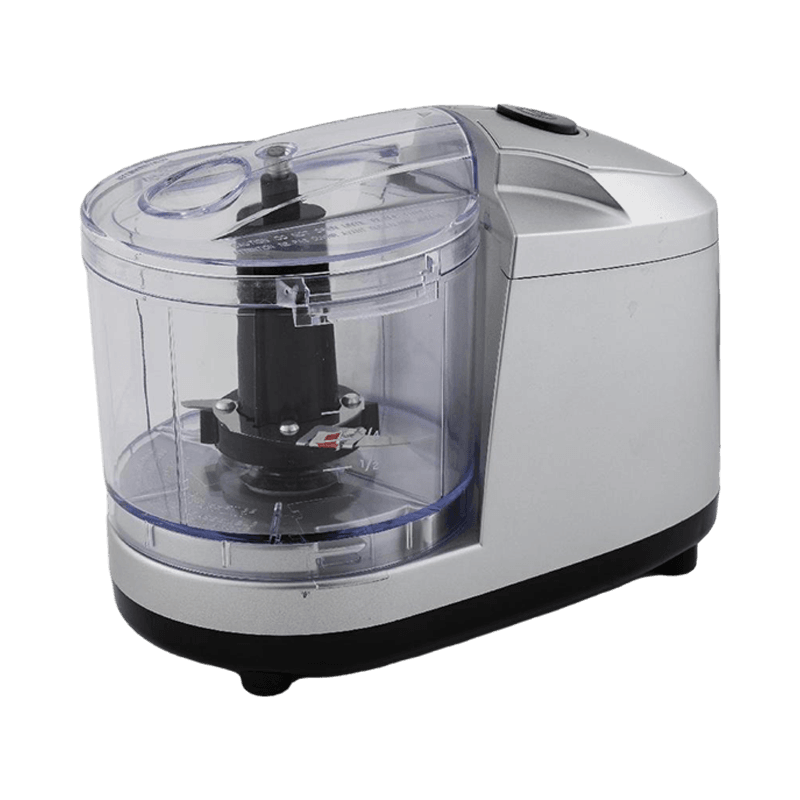
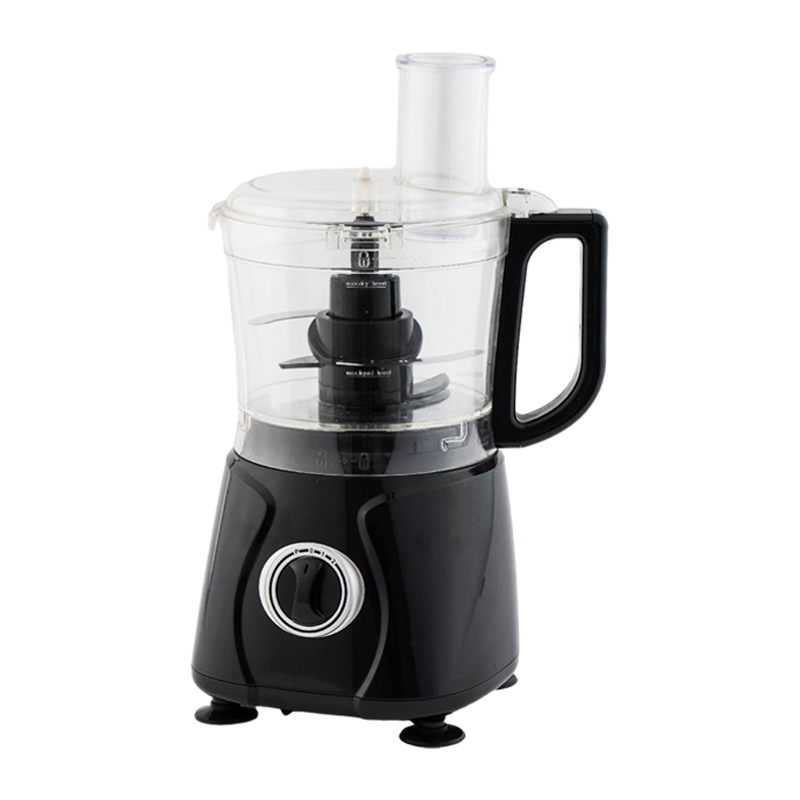
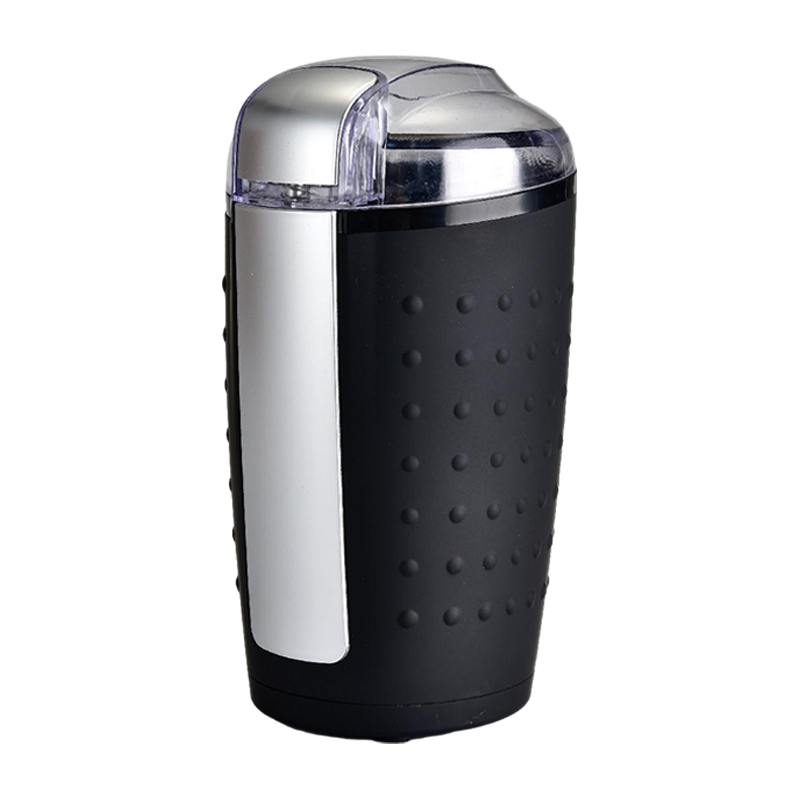
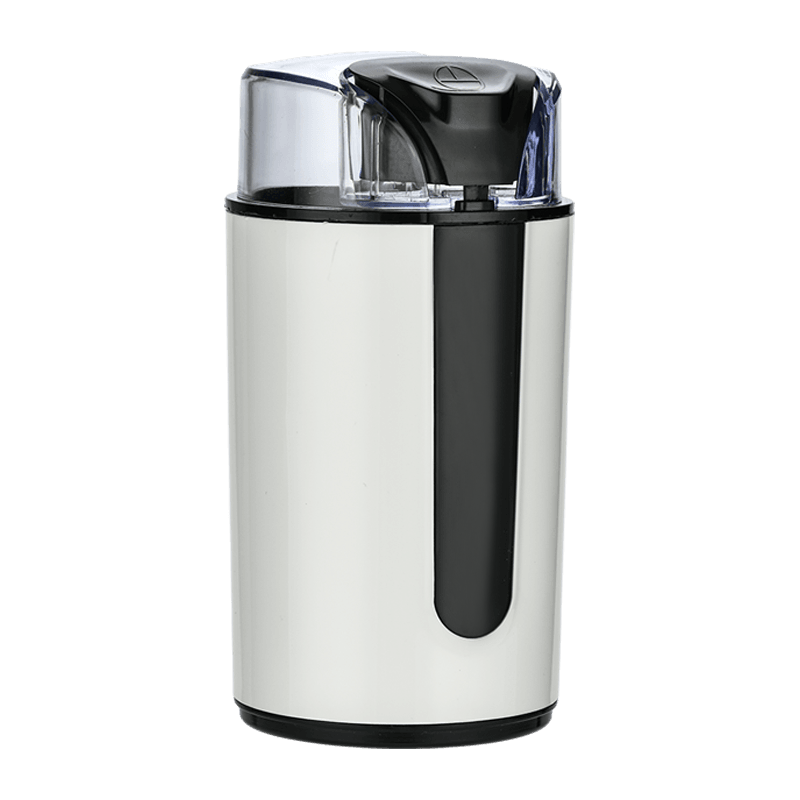
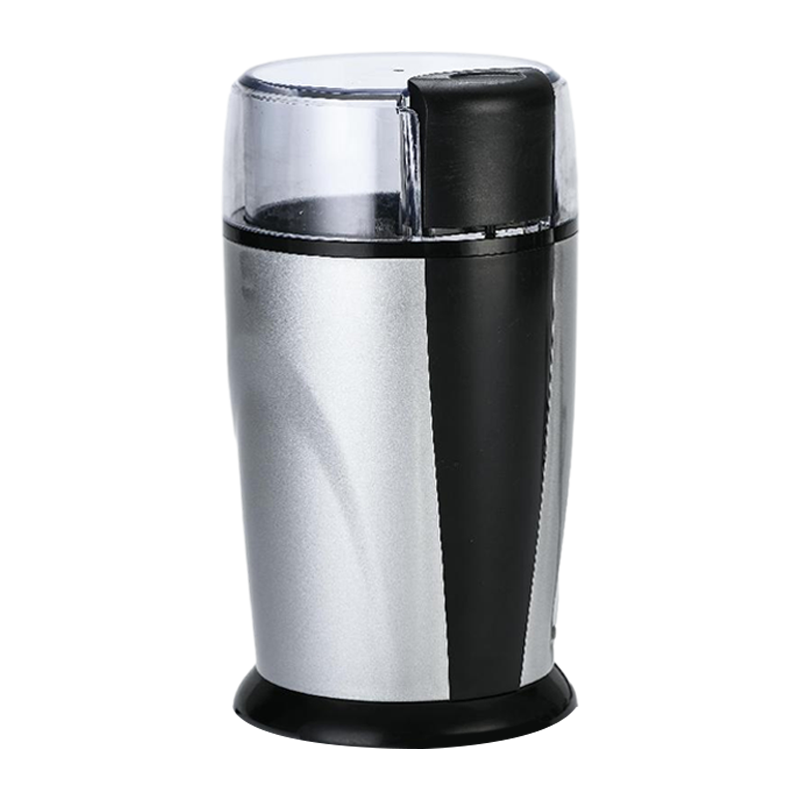
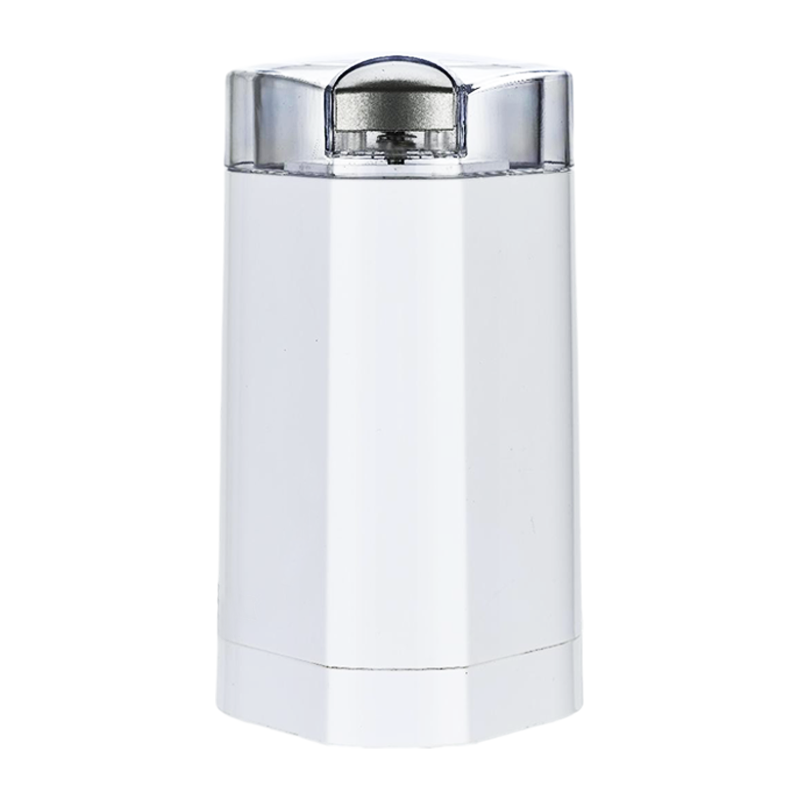
The Electric Food Chopper, an essential kitchen appliance, relies on a sophisticated integration of electrical power, mechanical dynamics, and material science to automate and expedite fundamental food preparation tasks. Unlike manual methods, its performance is characterized by controlled throughput and uniformity, achieved through the synchronization of its primary subsystems: the motor base, the blade assembly, and the containment vessel. The engineering emphasis is placed squarely on delivering sufficient power (torque) to process dense, variable-texture ingredients while maintaining precise control over the final consistency.
Engineering the Power Core: High-Torque Motorization
The heart of the Electric Food Chopper’s capability is its sturdy motor base, housing a purpose-built high-torque electric motor. The selection of a high-torque rather than a high-speed motor is a critical design decision. Food processing, especially the shredding of fibrous vegetables or the coarse dicing of hard ingredients like nuts, requires overcoming significant mechanical resistance. High torque, often achieved through an internal gear-reduction system, ensures that the motor can maintain rotational momentum (RPM) even when the blades encounter peak resistance loads. This stability is fundamental to preventing jamming and ensuring a continuous, even cut, which is vital for achieving uniform particle size.
The motor must be designed to handle intermittent, high-load usage cycles (pulsing), which place rapid and extreme demands on the windings and power delivery system. Thermal management within the sealed motor base is, therefore, a key consideration, preventing excessive heat buildup that could compromise motor longevity or performance during extended processing sessions. The mechanical connection between the motor's drive shaft and the blade assembly spindle is engineered to transmit this substantial torque efficiently, typically utilizing a robust, keyed coupling mechanism that engages only when the safety-interlock of the bowl is correctly seated.
Blade Dynamics and Material Integrity
The performance of the chopper is intrinsically linked to the set of sharp, interchangeable blades. These blades are manufactured from specialized food-grade stainless steel chosen for its combination of hardness and corrosion resistance (critical given the constant exposure to acidic or aqueous food substances). The geometry of the blade assembly is optimized for turbulent flow dynamics within the limited volume of the chopping bowl.
The blades are typically positioned on multiple vertical levels along the central spindle. This staggered arrangement ensures that ingredients are engaged throughout the entire vertical column of the container, maximizing the contact area and promoting efficient circulation of food particles. This circulation is essential for the dicing and chopping functions, preventing stratification where lighter ingredients might remain near the top while heavier items settle at the bottom.
Furthermore, the design often incorporates variable attack angles along the blade edges. This feature allows the assembly to simultaneously slice and push ingredients, generating the necessary kinetic energy to fling processed material into the upper layers of the container. This continuous movement, driven by high-torque rotation, is what facilitates the rapid, even reduction of particle size, from coarse chunks down to fine minces or pastes, depending on the duration of operation.
The Mechanism of Controlled Shredding and Blending
The chopper’s ability to perform controlled shredding and blending is directly governed by the adjustable speed settings. These settings are not mere user conveniences; they are necessary control variables that dictate the mechanical interaction between the blade and the ingredient structure.
Low Speed/High Torque: This setting is typically utilized for tasks like coarse chopping, dicing, or shredding dense, fibrous ingredients. The lower rotational speed minimizes the kinetic energy imparted to the food particles, preventing excessive impact damage and resulting in a cleaner cut with a larger, more defined final size. The high torque ensures the blades do not slow down when encountering resistance, maintaining the desired coarse texture uniformity.
High Speed/Moderate Torque: This setting increases the blade RPM, maximizing the kinetic impact and shear forces. This rapid movement is essential for achieving smooth blending or fine mincing. The heightened speed increases the frequency of blade contact, leading to a quick reduction in particle size and rapid emulsification of liquids or creation of purées.
The power control circuit manages the electrical input to the motor to provide these distinct, regulated speed profiles. In most models, a pulse function is also included, allowing the user momentary access to maximum power/speed. This pulsing action is a mechanically effective technique for redistributing contents that have settled near the bottom or become lodged, momentarily breaking up internal food mass agglomerations to ensure overall processing consistency.
The Containment Vessel and Safety Interlock
The clear bowl or ingredient container serves not only as the vessel for the food but also as an integral safety component of the system. Typically manufactured from high-impact, chemically resistant polymers, the bowl is designed to withstand the physical stresses of processing, including vibrations and potential impacts from dense ingredients thrown against its walls.
A crucial engineering feature is the mechanical interlocking system between the bowl and the motor base. This system employs an integrated safety switch that prevents the motor from engaging until the bowl is correctly aligned and locked onto the base, and often, until the lid is also properly secured. This design ensures that the high-speed, sharp blades are never operational in an exposed state. Furthermore, the lid features gaskets and channels to maintain a seal against the bowl rim, containing liquids and preventing aerosolized food particles from escaping, thereby promoting a cleaner and safer operating environment. The transparency of the bowl allows for continuous visual monitoring of the food's consistency without interrupting the operation, optimizing user control over the final texture.
The Electric Food Chopper is a compact system built around precision power delivery. The sophisticated motor-to-blade coupling, combined with optimized blade geometry and electronic speed control, allows the appliance to mechanically differentiate between high-shear blending and controlled, low-impact shredding, translating electrical power into reproducible and efficient food preparation outcomes.
 +86-18768503690