English
 Español
In the contemporary culinary landscape, the pursuit of precision and time-saving efficiency has led to significant advancements in food preparation technology. At the center of this transformation are specialized processing tools designed to handle the labor-intensive task of dicing, mincing, and pureeing ingredients. While traditional knife skills remain a foundational art, the mechanical reliability of high-performance food choppers has become indispensable for both novice cooks and professional chefs. By utilizing sophisticated blade geometries and ergonomic housing designs, these tools allow for the rapid processing of vegetables, nuts, and proteins with a consistency that is difficult to achieve manually. The choice between different mechanical drive systems often dictates the versatility and operational speed of the device, making it essential to understand the technical nuances of each category.
Can the Manual Food Chopper Deliver Professional-Grade Precision Without the Need for External Power?
The Manual Food Chopper remains a cornerstone of sustainable and portable kitchen design. Far from being a simple relic of the past, modern manual processors utilize high-torque gear systems and pull-cord mechanisms that translate minimal physical effort into high-velocity blade rotation. This category of tool is specifically engineered for users who prioritize tactile control over their ingredient texture and those who operate in environments where electrical access is limited.
-
Mechanical Advantage and Kinetic Design: The core efficiency of a high-quality Manual Food Chopper lies in its drive ratio. Most premium models feature a stainless steel blade assembly mounted on a central spindle, which is activated by a heavy-duty nylon pull-string or a rotary hand-crank. Each pull typically results in multiple full rotations of the curved blades, creating a centrifugal force that pulls ingredients toward the cutting edge. This mechanical advantage allows the user to process "hard" vegetables like carrots or ginger with surprising ease. Because the user provides the power, they can monitor the coarseness of the chop in real-time—stopping after two pulls for a rough dice or continuing for ten pulls to achieve a fine mince suitable for salsas and pestos.
-
Portability and Structural Durability: Unlike its motorized counterparts, the Manual Food Chopper is characterized by a compact, lightweight footprint and a complete absence of sensitive electronic components. The housing is usually constructed from high-impact, BPA-free polymers, ensuring that the device can withstand the rigors of outdoor use, camping trips, or high-volume domestic kitchens. The lack of a motor also means the device is entirely submersible, facilitating effortless cleanup and maintaining hygiene standards. Many professional "product words" in this category focus on "food-grade 420 stainless steel blades" and "anti-skid silicone bases," highlighting the focus on safety and material longevity that makes manual models a long-term investment for the culinary enthusiast.
-
Customization of Texture and Fluidity: One of the overlooked benefits of the manual system is the ability to handle small batches of delicate ingredients that might otherwise be over-processed in an automated machine. For example, when preparing herbs or garlic, a manual processor prevents the "bruising" of the leaves that often occurs at ultra-high RPMs. The precision control allows for a dry, clean cut, preserving the essential oils and vibrant colors of the produce. This makes it a preferred tool for artisanal preparation where the "hand-crafted" texture is as important as the speed of production.
|
Feature Comparison |
Manual Food Chopper |
Electric Food Chopper |
|---|---|---|
|
Power Source |
Human Kinetic Energy |
AC Motor / Lithium Battery |
|
Operational Control |
Pulse-by-pull (High Tactile) |
One-touch / Dual Speed |
|
Blade Speed (RPM) |
Variable (User Controlled) |
Constant High RPM |
|
Ideal For |
Small batches, camping, rough dicing |
Large volume, hard nuts, smooth purees |
|
Maintenance |
100% Dishwasher Safe (Manual) |
Motor base requires dry cleaning |
Why Is the Electric Food Chopper Considered the Benchmark for High-Volume Culinary Preparation?
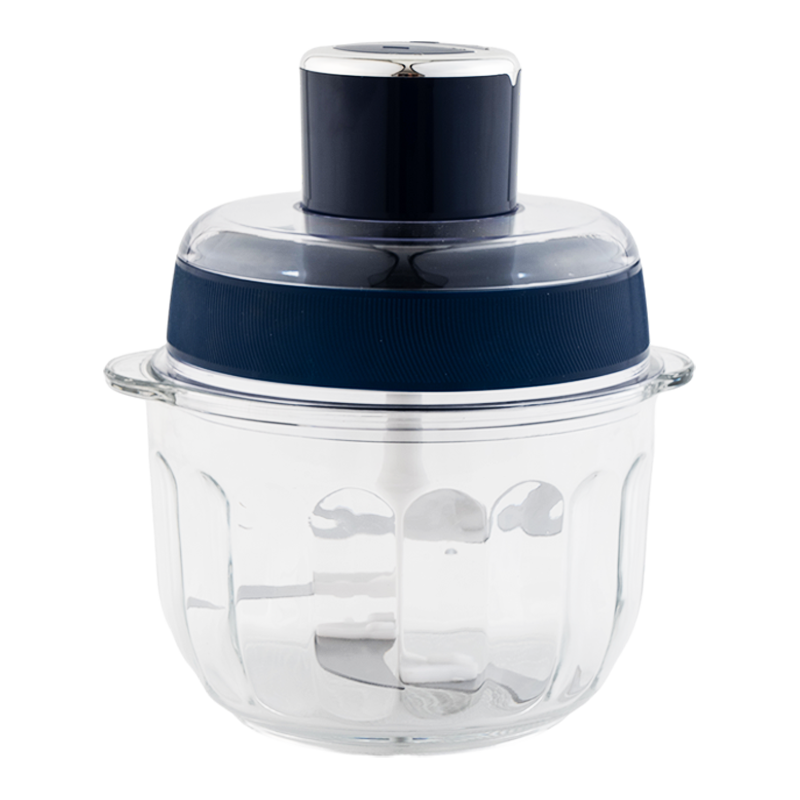
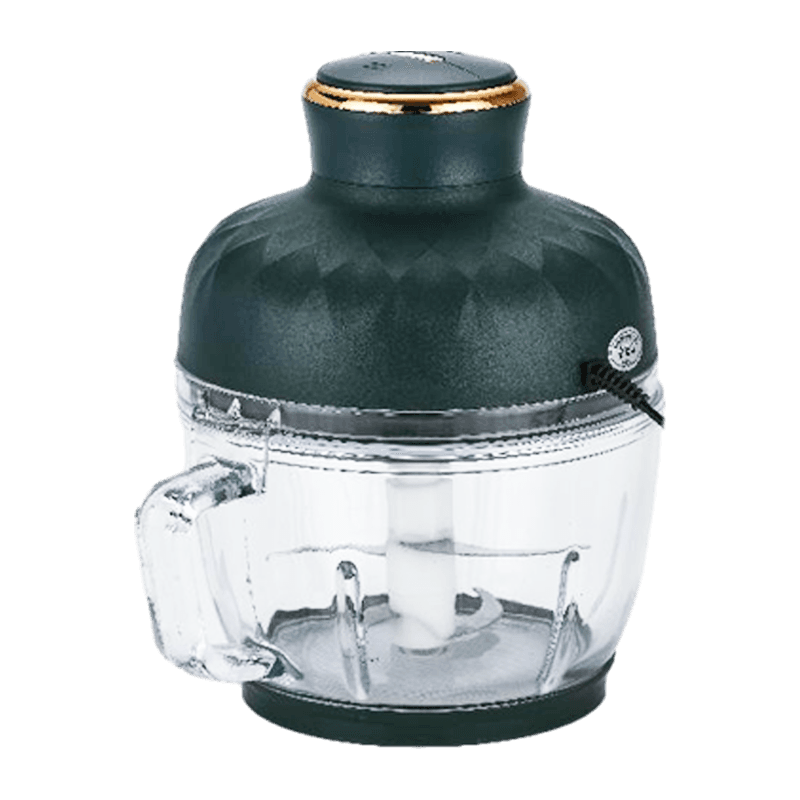
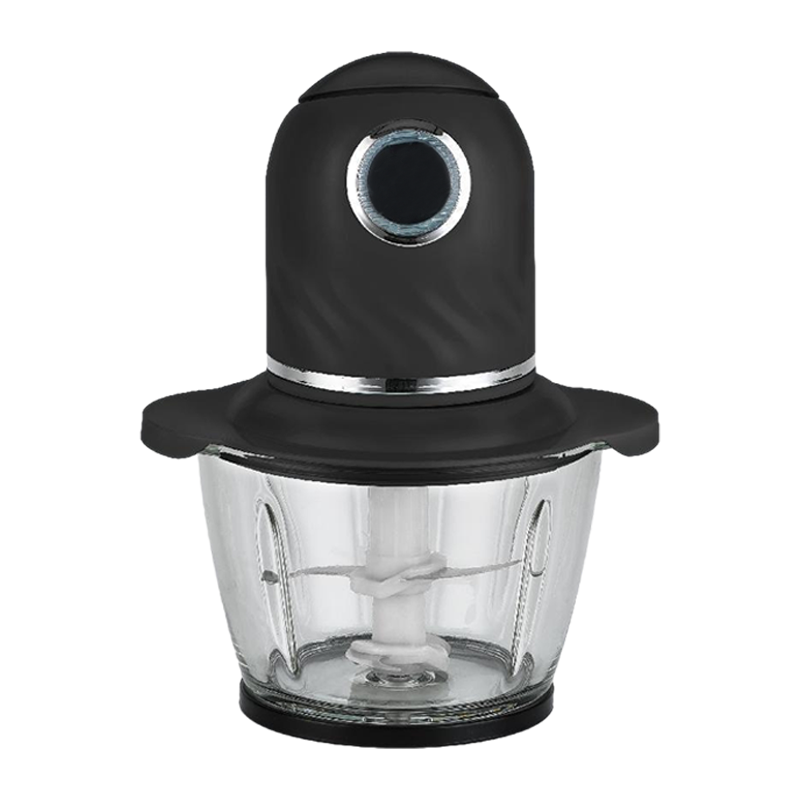
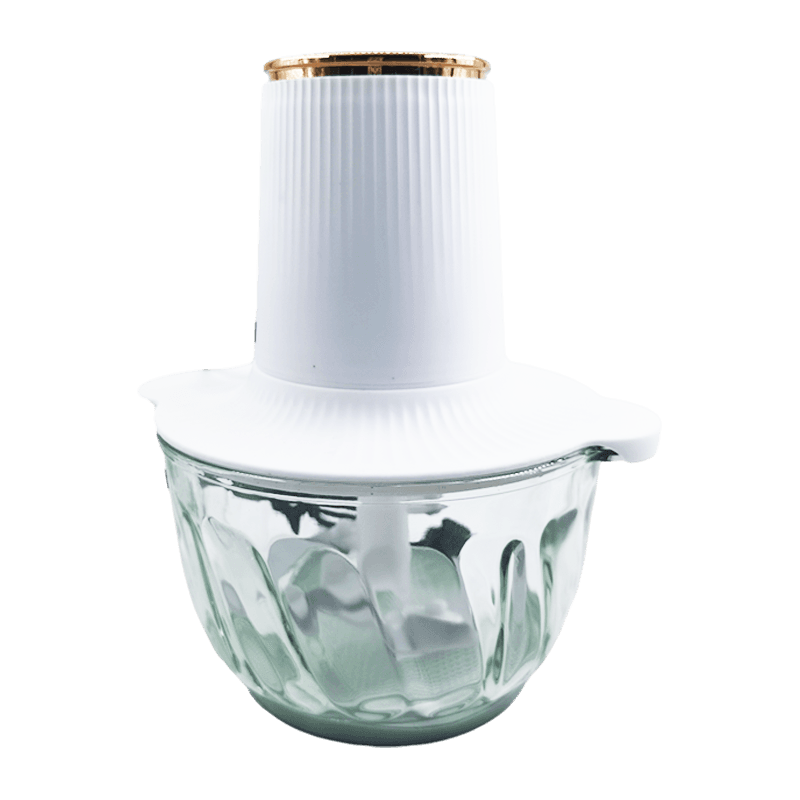
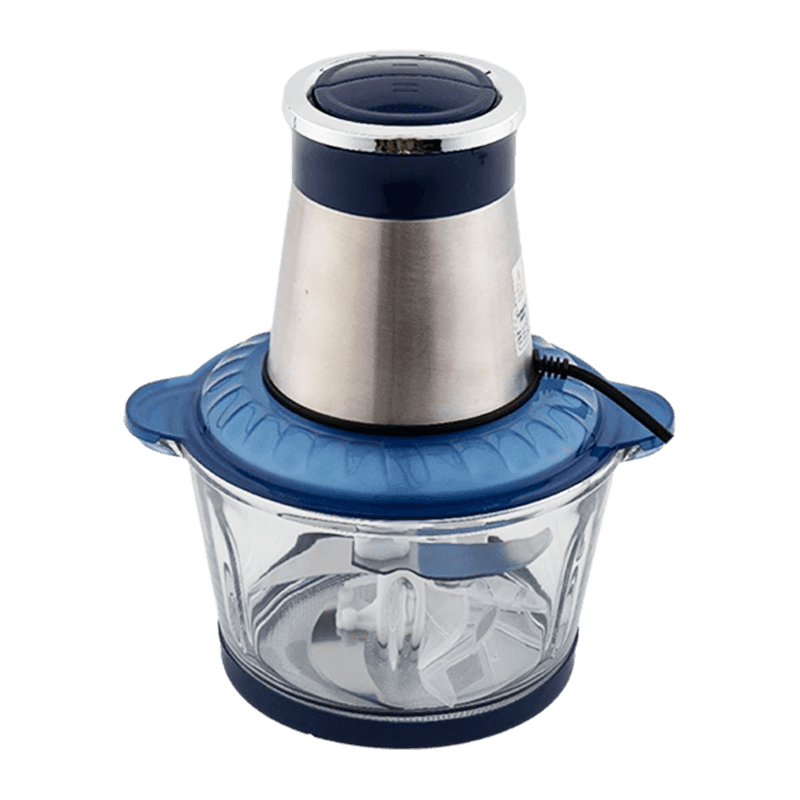
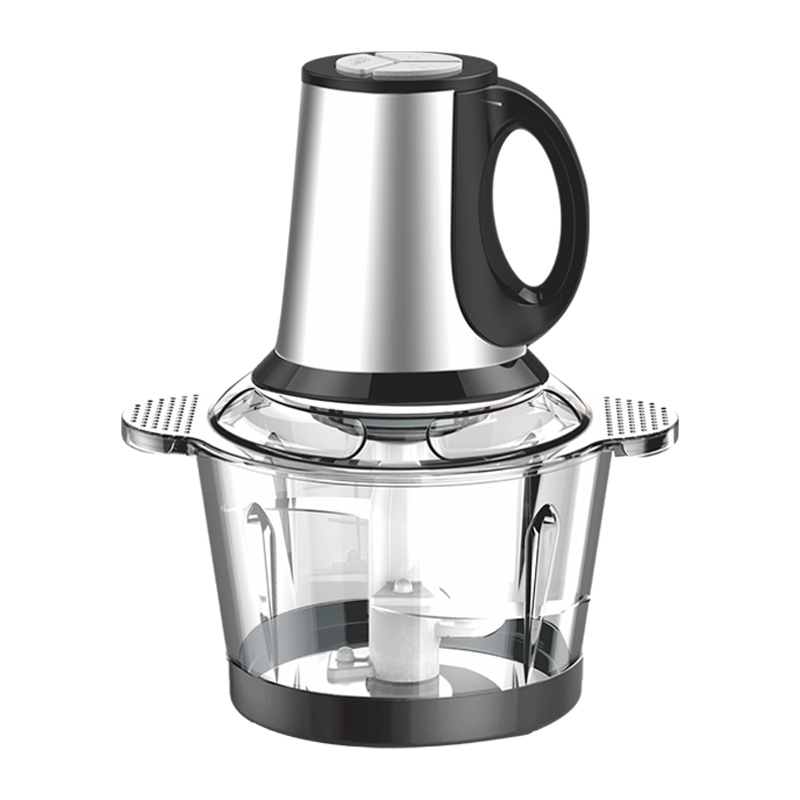
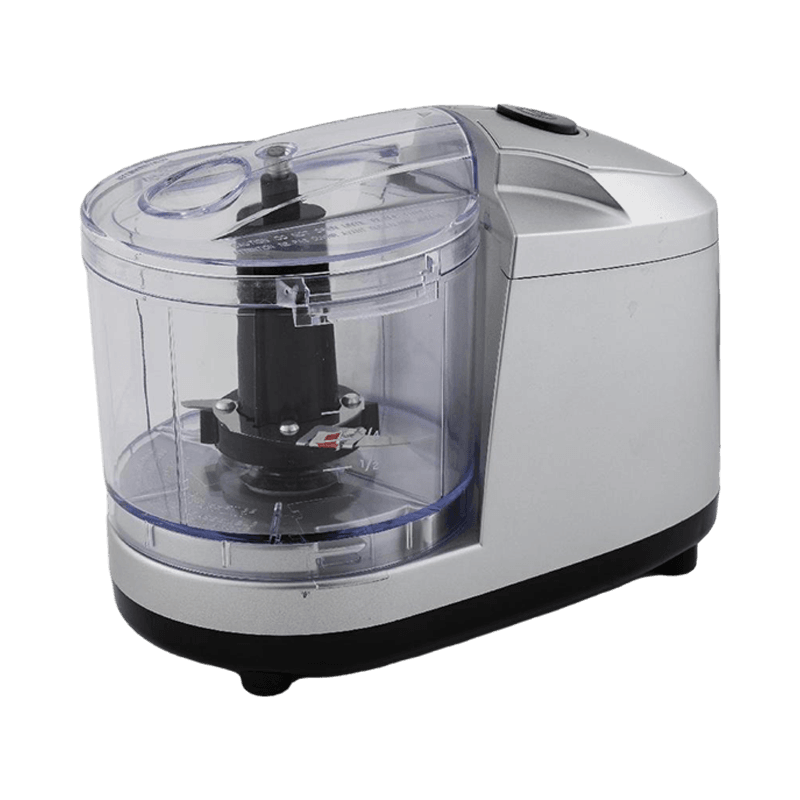
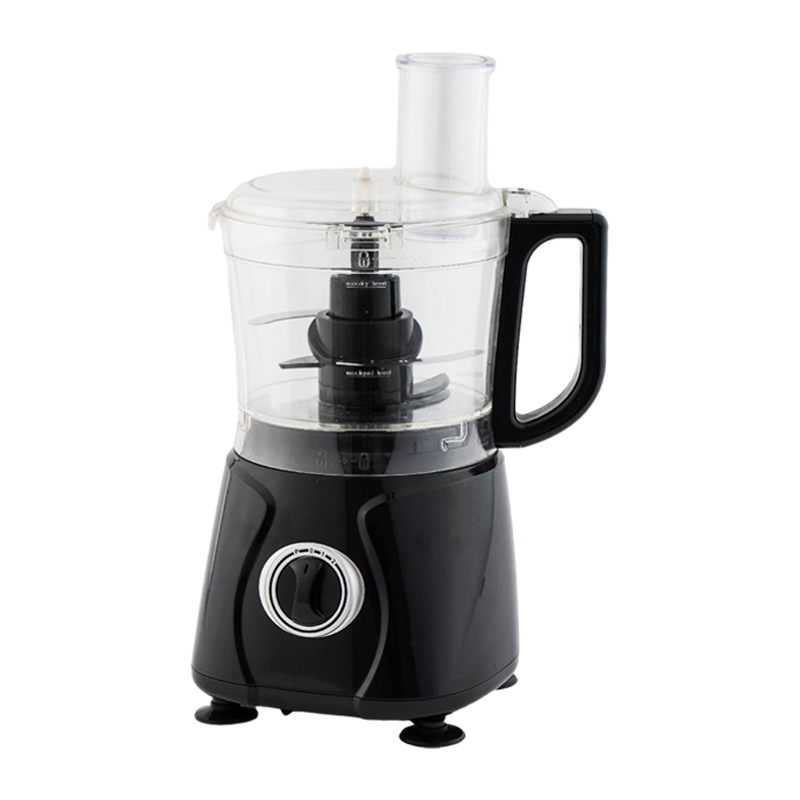
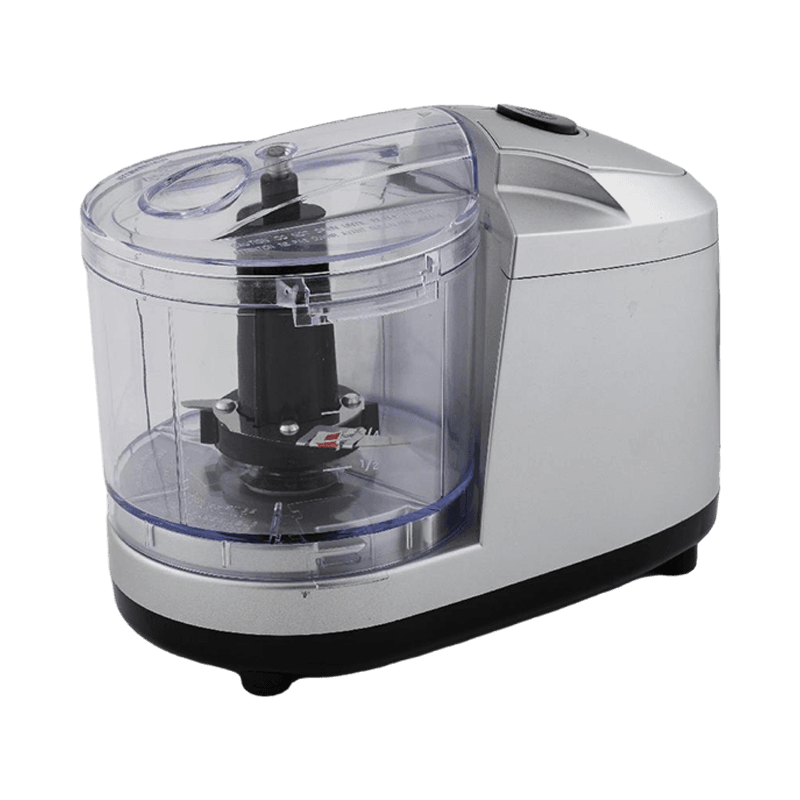
When the requirement shifts from simple dicing to the processing of dense proteins or large quantities of fibrous vegetables, the Electric Food Chopper becomes the undisputed leader in performance. These machines are driven by high-torque copper motors that provide consistent power, ensuring that the final output is uniform regardless of the toughness of the raw ingredient. The transition from manual to motorized preparation represents a significant leap in throughput, allowing users to complete in seconds what would traditionally take minutes.
-
High-Torque Motorization and Blade Architecture: The technical heart of an Electric Food Chopper is its motor, usually ranging from 200W to 500W in domestic models. This power is transmitted to a multi-tiered blade system—often featuring four blades at different heights—to ensure that ingredients at the bottom of the bowl are processed at the same rate as those at the top. This "S-blade" configuration prevents the bottom layers from becoming a puree while the top layers remain untouched. For heavy-duty tasks like grinding frozen meat or processing hardened nuts into butter, the constant velocity of the electric motor provides the necessary shear force that manual strength simply cannot sustain over long periods.
-
Safety Interlocks and User Interface: Modern electric models are designed with a "Safety-First" philosophy. The Electric Food Chopper typically includes a pressure-sensitive top cover or a locking bowl mechanism that prevents the motor from engaging unless the unit is fully secured. This is a critical feature given the high rotation speeds involved. The interface is often simplified to a single "Pulse" button or a dual-speed toggle, allowing the user to manage the power in short bursts to avoid over-processing. Higher-end models may even feature thermal overload protection, which automatically shuts down the motor if it detects excessive heat during a particularly demanding grind, thereby extending the lifespan of the appliance.
-
Versatility in Emulsification and Liquidation: Beyond mere chopping, the motorized speed of the Electric Food Chopper makes it an excellent tool for emulsifying dressings and creating smooth vegetable purees. The high-speed rotation creates a vortex that effectively incorporates oils and liquids into solid bases, making it a "product word" favorite for those who frequently prepare homemade mayonnaise, hummus, or baby food. The consistency achieved by a 3000-RPM blade is significantly smoother than any manual effort, providing a professional finish to sauces and soups that enhances the overall dining experience.
How Does the Integration of Advanced Blade Materials Improve the Longevity of Both Chopper Types?
Regardless of the drive system, the efficacy of any food processor is ultimately determined by the quality of its cutting edges. The science of blade metallurgy has advanced significantly, allowing for the creation of edges that remain sharp for thousands of cycles without requiring maintenance.
-
Hardened Stainless Steel Alloys: Most premium Manual Food Chopper and Electric Food Chopper units utilize 304 or 420-grade stainless steel. These alloys are specifically chosen for their high carbon content, which allows for a finer, sharper edge, and their chromium content, which provides exceptional resistance to the acids found in fruits and vegetables. In the context of an electric unit, the blades must also be balanced with precision to prevent vibration at high speeds, which could damage the motor bearings.
-
Tiered Blade Engineering: Innovation in the "Woven" or "Layered" arrangement of blades has solved the common issue of uneven processing. By stacking blades at different angles and heights, manufacturers ensure that the entire volume of the processing bowl is "active." In a Manual Food Chopper, this means less shaking is required to move ingredients around. In an Electric Food Chopper, it means that even large items like whole onions are caught by the upper blades and pulled down into the main cutting zone, resulting in a perfectly uniform dice every time.
-
Ergonomic and Material Synergy: The interaction between the blades and the bowl is also a subject of intense engineering. Many modern choppers feature "ribbed" bowl walls that deflect ingredients back toward the center, ensuring that nothing gets stuck on the perimeter. Furthermore, the use of reinforced polymer shafts and gearboxes in the Manual Food Chopper ensures that the mechanical link between the user's pull and the blade's spin remains crisp and responsive, preventing the "slippage" that was common in older, less sophisticated designs. This holistic approach to kitchen tool engineering ensures that whether a user chooses the simplicity of a manual cord or the raw power of an electric motor, they are equipped with a device capable of handling the most demanding culinary tasks.
 +86-18768503690